Mon to Sat, 7:00am to 7:00pmNairobi, Kenya (cleaning clients countrywide)

+254 184 379 590info@kejapalcleaners.co.ke

Business and hygiene

Office Cleaning Checklist: Daily, Weekly and Monthly Tasks for Kenyan Workplaces

This office cleaning checklist sets out what to clean daily, weekly, monthly and quarterly in a Kenyan workplace, area by area. Use it to brief your cleaners, check a contract or build your own schedule.

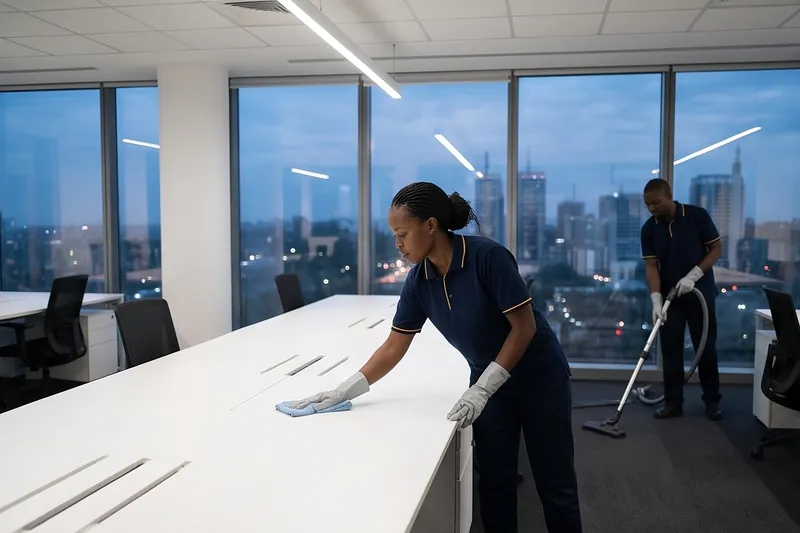
Cleaners wiping desks and vacuuming an open-plan office using an office cleaning checklist

Quick answer

Every day, empty bins, clean and restock washrooms, wipe kitchen surfaces, disinfect high-touch points and vacuum or mop floors. Weekly, dust high areas, clean glass partitions and wipe chairs. Monthly, clean inside fridges and microwaves, wipe doors and skirting and machine-scrub hard floors. Each quarter, deep clean carpets, chairs, blinds and windows.

A clean office is not just about appearances. It affects staff health, client impressions and even how long carpets and furniture last. Yet many offices rely on a vague instruction such as "clean the office every evening", which leaves cleaners guessing and managers disappointed. An office cleaning checklist solves that. It lists every task, how often it is done and who is responsible. Below is the checklist our supervisors use, adapted for offices in Kenya.

Offices and businesses

Why every office needs a written checklist

A written office cleaning checklist does three things. First, it tells cleaners exactly what to do, so nothing is forgotten. Second, it gives managers a simple way to check the work. Third, it makes contracts clear, because both sides agree what is included. As a result, there are fewer complaints and fewer missed tasks, and new cleaners learn the routine faster.

Cleaning

Daily office cleaning checklist

Workstations and open areas

  • Empty bins and replace liners.
  • Wipe clear desk surfaces, without moving papers.
  • Disinfect high-touch points: door handles, light switches, lift buttons and stair rails.
  • Vacuum carpets and sweep or mop hard floors.
  • Tidy and wipe meeting room tables and chairs.

Washrooms

  • Clean and disinfect toilets, urinals and basins.
  • Wipe mirrors, taps and dispensers.
  • Restock soap, toilet paper and hand towels.
  • Mop floors and empty sanitary bins, using a licensed provider where needed.

Kitchen and staff areas

  • Wash or load dishes, and wipe worktops, sinks and tables.
  • Wipe the outside of the fridge, microwave and kettle.
  • Empty kitchen bins and recycling.
  • Mop the floor.

Reception

  • Dust and wipe the reception desk and seating.
  • Clean entrance glass and doors.
  • Vacuum or mop the entrance, and shake out doormats.
Office cleaning checklist in action: evening team wiping desks and vacuuming
Daily tasks happen before or after working hours, so staff are not disturbed.

Cleaning

Weekly office cleaning checklist

  • Dust high areas, shelves, partitions and the tops of cabinets.
  • Clean glass partitions and internal windows.
  • Wipe office chairs, including arms and bases.
  • Wipe phones, keyboards and mice with suitable wipes, if agreed with IT.
  • Descale washroom taps and kitchen sinks.
  • Clean inside microwaves.
  • Vacuum fabric chairs and sofas.
  • Wipe skirting boards in busy areas.

Cleaning

Monthly office cleaning checklist

  • Empty and clean inside fridges, throwing out old food after notice to staff.
  • Wipe doors, door frames and skirting throughout.
  • Clean light fittings, vents and fans.
  • Machine-scrub hard floors in kitchens, washrooms and corridors.
  • Wipe inside cupboards in kitchens and stores.
  • Clean bins inside and out.

Common problems

Quarterly and annual tasks

  • Deep clean carpets with extraction.
  • Clean fabric chairs and sofas with extraction.
  • Clean or steam blinds and curtains.
  • Wash outside windows, safely and with the right equipment.
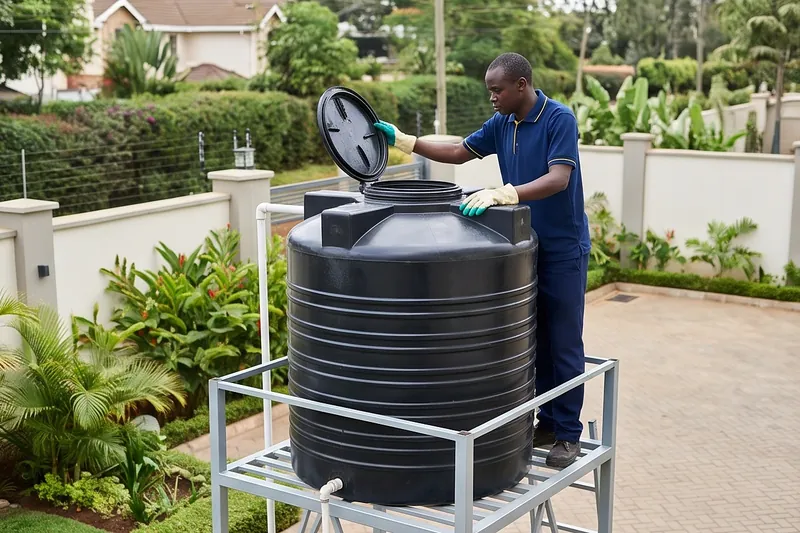
  • Clean water tanks, ideally every six months.
  • Pest control inspection or treatment, if needed.

Many offices book these jobs from a specialist, because they need machines. See our carpet cleaning and window cleaning pages for details.

Adapting the office cleaning checklist to your workplace

No two offices are the same. For example, a small accounting firm with ten staff needs far less than a call centre with three hundred. Therefore adjust the frequency to your headcount, your visitors and your layout. Busy washrooms may need cleaning twice a day, while a quiet boardroom may need only a weekly wipe. Likewise, clinics, labs and food businesses need extra disinfection and stricter routines.
Office cleaning checklist for washrooms

Washrooms cause more complaints than any other area. Therefore give them extra attention. In busy offices, plan a mid-day check to restock and wipe, in addition to the main clean. Use colour-coded cloths, so toilet cloths never touch basins or kitchens. Moreover, keep a simple sign-off sheet on the washroom door, so staff can see when it was last cleaned.

Hygiene and high-touch points

Germs spread mostly through hands. That is why high-touch points matter: door handles, lift buttons, light switches, stair rails, shared phones, printers and kitchen taps. Disinfect these daily, and more often during flu season. In addition, provide hand soap and sanitiser at entrances and in kitchens. The World Health Organization publishes public guidance on hand hygiene, which is useful for staff notices.

Health and safety for cleaners

Cleaning involves wet floors, chemicals and sometimes ladders. A good office cleaning checklist includes safety steps: wet floor signs, gloves, correct product dilution, ventilation and safe storage. Never mix bleach with acids or ammonia. Also, outside windows above ground floor need proper equipment and training. Kenya’s workplace safety rules are published by the Directorate of Occupational Safety and Health under the Ministry of Labour.

Who does what

Agree responsibilities clearly. For instance, staff should clear desks at the end of the day, so cleaners can wipe them. Staff should also label food in the fridge, while cleaners clear unlabelled items on an agreed day. IT should say which equipment cleaners may touch. Meanwhile, the office manager or facilities lead should check the checklist weekly and raise issues with the cleaning supervisor.

Checking the office cleaning checklist

A checklist only works if someone checks it. Therefore walk through the office once a week with the list, and note anything missed. Good cleaning companies send supervisors to check sites regularly and fix issues quickly. In addition, a short monthly review with your cleaning provider keeps standards high and lets you adjust the schedule as the office changes.

Using the checklist in a contract

If you hire a cleaning company, attach the office cleaning checklist to the contract. It should state the tasks, the frequency, the hours, the team size and who supplies consumables such as soap and toilet paper. Also, agree how issues are reported and how quickly they are fixed. Our office cleaning and janitorial services pages explain how we set up contracts.

Consumables and supplies

Decide early who supplies consumables such as toilet paper, hand soap, paper towels, bin liners and kitchen sponges. Some offices buy these themselves, while others ask the cleaning company to supply them and add the cost to the monthly invoice. Either way, add a stock check to the weekly list, so washrooms never run out. In addition, agree where supplies are stored and who reorders them. As a result, nobody has to rush out for toilet paper on a busy Monday morning.

Seasonal adjustments for Kenyan offices

Kenya’s seasons affect offices as much as homes. During the rains, mud and water come in through entrances, so mats need shaking out several times a day and floors need extra mopping. Meanwhile, in the dry months, dust settles on desks, screens and windowsills, so high dusting may need to move from weekly to twice a week. Therefore review your office cleaning checklist at the start of each season and adjust the frequency where needed. A short note to your cleaning supervisor is usually enough.

New offices and refits

If you are moving into a new office or finishing a refit, start with a post-construction clean before staff arrive. Builders leave fine dust in vents, on glass and inside cabinets, which a normal daily clean cannot remove. After that clean, switch to the regular office cleaning checklist. Our post-construction cleaning page explains what is involved.

Cleaning

Printable office cleaning checklist summary

WhenMain tasks
DailyBins, desks, high-touch points, floors, washrooms, kitchen, reception
WeeklyHigh dusting, glass partitions, chairs, phones and keyboards, descaling
MonthlyInside fridges, doors and skirting, lights and vents, floor scrubbing
QuarterlyCarpets, chairs, blinds, outside windows, tanks, pest control

Get help with your schedule

Whether you manage a small office or a whole building, an office cleaning checklist is the foundation of a clean, healthy workplace. If you want a team to follow it for you, we can visit, walk through every area and send a written schedule with a monthly price. Request a cleaning quote to arrange a site visit.

Cleaning around working hours

Finally, keep the checklist where the cleaning team and the office manager can both see it, for example on the inside of the store door or in a shared folder. That simple step keeps everyone working from the same list.

Most offices prefer cleaning outside working hours, so staff are not disturbed by vacuums or wet floors. Therefore the main clean usually happens before 8am or after 5pm. However, busy offices often add a day porter, who restocks washrooms, tidies the kitchen and handles spills during the day. Agree the timing in your office cleaning checklist, along with security arrangements for keys and alarms, so the evening team can work safely and lock up properly.

Get started

Get your cleaning quote

Tell us what needs cleaning and where, and our cleaning coordinator will call you back within one working day with a free written quote and a time.

  • Clear, itemised written quote
  • Uniformed cleaners who bring their own supplies
  • A clear checklist for every room

Prefer to talk? Call +254 184 379 590

We reply within one working day. Or call +254 184 379 590.

Frequently asked questions

What should an office cleaning checklist include?

Daily bins, desks, high-touch points, floors, washrooms, kitchen and reception, plus weekly, monthly and quarterly deeper tasks.

How often should office washrooms be cleaned?

At least daily, and twice a day or with a mid-day check in busy offices.

How often should office carpets be deep cleaned?

Every three to six months for busy offices, and every six to twelve months for quieter ones.

Should the checklist be part of a cleaning contract?

Yes. Attaching it makes tasks, frequency and responsibilities clear for both sides.

Ready for a cleaner space?

Tell us what needs cleaning and where. We will check the job by photos, a video call or a quick visit, send a free written quote and book a time that suits you.

CallWhatsAppAsk usQuote